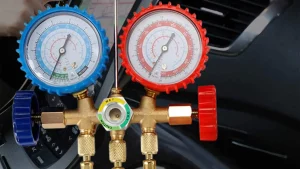
Pressure gauges are essential instruments used to measure the pressure of gases or liquids within a closed system. From simple air pumps in bicycle repair shops to complex chemical processing plants, these devices play a critical role in ensuring safety, efficiency, and reliability.
How They Work
Most common pressure gauges operate on the principle of elastic deformation. The core component is a hollow, C-shaped tube called a Bourdon tube. When fluid or gas enters the tube, the internal pressure causes it to straighten slightly. This tiny movement is amplified by a series of gears and a pointer, which moves across a calibrated dial to show the pressure reading. Other types include diaphragm gauges (using a flexible membrane) and bellows gauges, each suited for different pressure ranges and media.
Types of Pressure Gauges
Pressure gauges can be broadly classified by their measurement reference. A gauge pressure device measures pressure relative to atmospheric pressure — this is the most common type, seen on water pipes or air compressors. An absolute pressure gauge references a perfect vacuum, essential for meteorological or vacuum system applications. Differential pressure gauges measure the difference between two points, often used to monitor filter clogging or flow rates.
Why They Matter
In industrial settings, pressure monitoring is not a luxury but a necessity. Over‑pressure can rupture pipes, damage equipment, or cause dangerous leaks. Under‑pressure may indicate blockages or system failure. Regular calibration of pressure gauges ensures that readings remain accurate. Modern smart gauges even offer digital outputs and remote monitoring, integrating into automated control systems.
Maintenance Tips
To keep a pressure gauge reliable, avoid exposing it to extreme vibration, temperature spikes, or corrosive media beyond its rated tolerance. Periodic zero‑point checks and recalibration by certified professionals help maintain performance. When a gauge shows erratic readings or physical damage, immediate replacement is recommended.
In conclusion, pressure gauges are simple yet indispensable tools. Whether you are inflating a tire or managing a refinery, these silent guardians provide the critical data needed to operate safely and efficiently. Understanding their types, working principles, and proper care ensures they serve you faithfully for years to come.